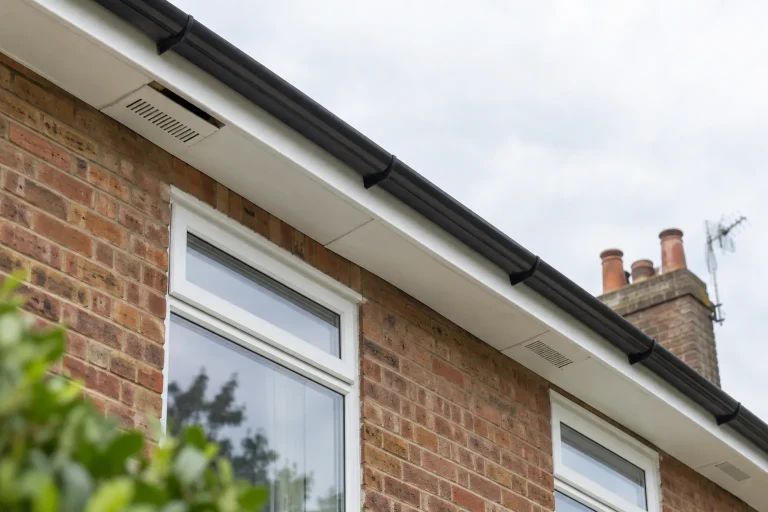
A sound behind a kitchen unit or a dark mark near a bin can be unsettling, especially when you cannot see what made it. Rats are one possibility, but a single clue rarely proves what is present. Mice, squirrels, birds and ordinary building noises can create surprisingly similar first impressions. The useful approach is to look for a pattern: where the signs occur, whether they are fresh, and whether several different clues point to the same route.
You do not need to pull a kitchen apart or enter an unsafe loft to make a useful first assessment. A few careful observations can help you decide whether to seek a pest inspection and give the technician a much clearer starting point.
Start with the location, not the animal
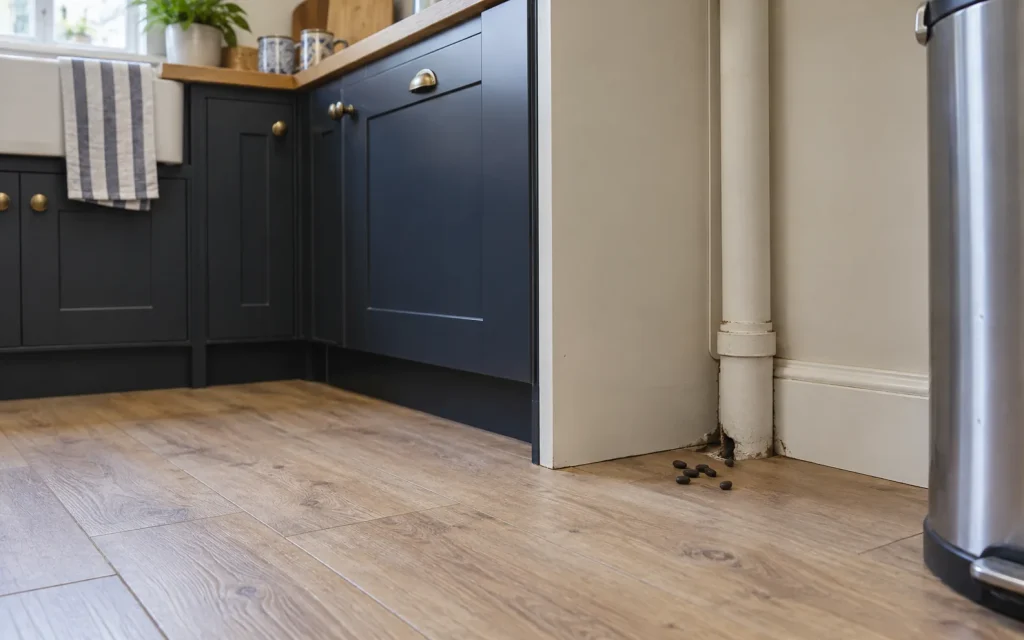
Make a note of the room and the precise place where you noticed the problem. “Under the sink beside the waste pipe” is more helpful than “in the kitchen”. Rats tend to use sheltered routes where they can move close to walls, behind appliances or through service spaces. Outdoors, activity may be concentrated around bins, stored materials, drains or vegetation. Those are places to observe, not invitations to reach into a dark gap.
Look for a connection between the signs. Droppings beside a pipe opening, damaged food packaging in an adjacent cupboard and a repeated sound in the same wall are more persuasive together than any one of them on its own. Conversely, a noise on one evening with no other evidence calls for more observation before you decide what is causing it.
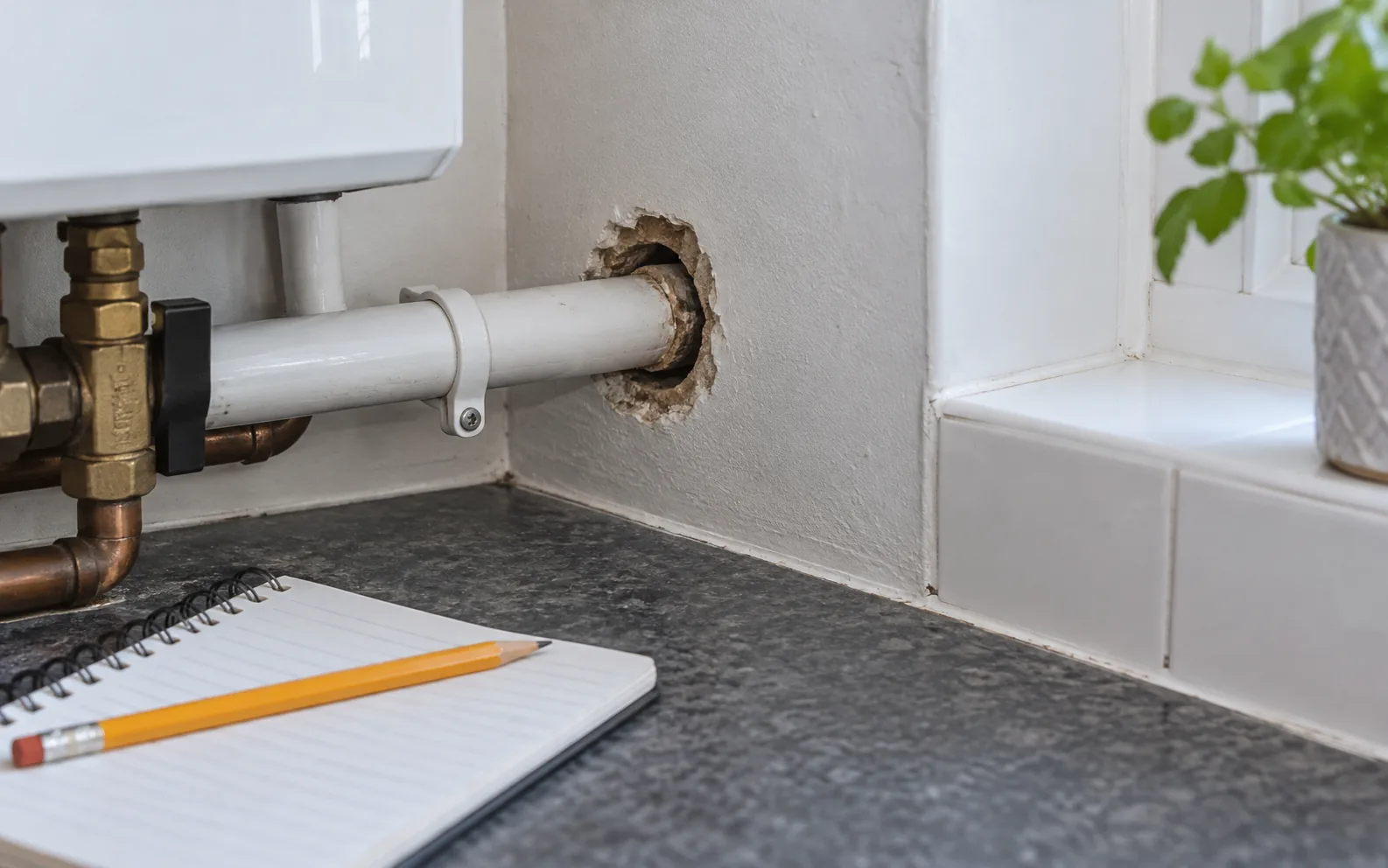
If you share a building, record whether the signs are confined to your flat or seem to come from a communal corridor, service riser or bin area. That distinction may affect who can arrange access and what an inspection needs to cover.
Droppings: useful evidence, but easy to misread
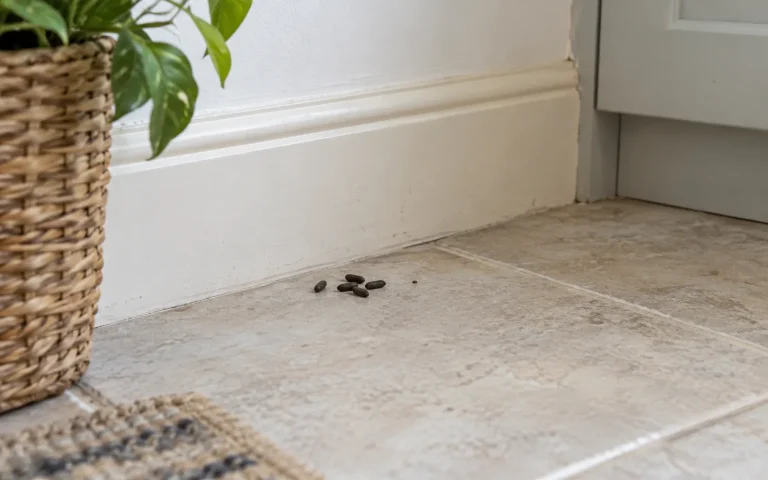
Rat droppings are often one of the clearest signs, yet size and appearance vary. Fresh material tends to look darker and may be softer; older droppings dry out and lose that appearance. Do not judge age from colour alone. Lighting, moisture and the surface beneath them can all mislead you. A photograph beside a familiar object can help a professional judge scale without requiring you to handle anything.
Check sheltered edges: the back of a cupboard, the floor behind a washing machine, a loft walkway that you can reach safely, or the area around an external bin store. Avoid sweeping, vacuuming or handling droppings dry. Keep children and pets away from the area, and follow appropriate cleaning advice once the evidence has been recorded. If the amount is substantial or the space is enclosed and dusty, ask a professional how to proceed.
Small droppings can indicate mice rather than rats. There are other possible sources too. A photograph and the exact location are more reliable than an online comparison made from memory. If you are unsure, rat control and mice control start with identifying the problem rather than assuming the species.
Scratching and movement noises
Scratching, scurrying or a dull movement sound behind a ceiling can be a clue, particularly if it repeats in the same place. Note the time, duration and direction of the sound. Does it seem to move along a wall, around a pipe run or across a loft? Can you hear it when heating or plumbing is operating? A short diary over two or three days can separate a repeated route from an isolated noise.
Sound does not reveal the species on its own. Mice can be surprisingly loud when they move through a hollow wall; squirrels and birds can be active around roof spaces; pipework and loose fittings can also knock or scrape. Do not cut into a wall or lift insulation in an attempt to catch the animal. Those steps can create a safety problem and make later inspection harder.
If the sound is near electrical wiring, or you can see damage to a cable, keep clear and seek appropriate electrical advice. Pest treatment and electrical repair are separate tasks, and neither should be delayed by guessing which caused the other.
Gnaw marks and damaged packaging
Rats can gnaw food packaging, wood, some plastics and softer building materials. Look for new damage around stored food, a bin lid, a pipe surround or a door edge. Photograph the mark and note when you first saw it. If possible, compare it with an earlier photograph or check whether fresh fragments appear after the area has been left undisturbed.
Damage does not prove current activity. Old holes can remain visible for years. Recent debris, fresh marks and other signs nearby help establish whether the route is still in use. Avoid immediately filling every opening you find. Closing a route before the activity has been understood may redirect movement into another part of the property or hide evidence that would help an inspection. A proofing assessment is more useful once the active routes have been identified.
Smears, tracks and outdoor clues
A frequently used route may leave a mark along a wall or around an opening. In a dusty area, you may also see footprints or a repeated disturbed line. Such signs are easiest to assess when you photograph the surrounding area, not just a close-up of the mark. The wider view shows whether the surface is beside a bin, appliance, pipe or likely entry point.
Outside, inspect from a safe position around bins, drains, decking and outbuildings. A hole in soil may be a burrow, but it can also belong to another animal or be unrelated to pest activity. Do not put a hand into it. Note its position and whether there are repeated signs of use, such as disturbed soil or a clear route to food or shelter. If you suspect a problem involving a drain, tell the inspection team; it may require a separate drainage assessment.
What to do in the first 24 hours
The first step is to reduce easy food access. Put open food into sound, sealed containers, clear exposed scraps and make sure internal and external bins close properly. This is sensible housekeeping whether the animal turns out to be a rat, a mouse or something else. It does not replace identifying the route and addressing the source of the activity.
Keep the area as undisturbed as practical until you have photographed useful signs. Note the time and place of each sighting, noise or fresh mark. If you can do so safely, check whether there is a visible gap around a pipe, under a door or behind an appliance. Do not move heavy appliances or reach into hidden spaces merely to confirm a suspicion.
Avoid scattering poison or setting devices without understanding the risks to children, pets and other animals. Rodenticides are regulated products, and their safe use depends on the product, location and label conditions. A professional inspection can determine whether treatment, monitoring, proofing or a building repair is the suitable next step. The UK Health and Safety Executive’s rodenticide guidance explains why their use needs care.
When should you arrange an inspection?
Arrange help promptly if you see a live rat indoors, find several fresh signs in connected areas, suspect activity around food preparation, or cannot safely inspect the affected space. A business, shared building or rented property may also need a coordinated response because access and repairs can fall under different people’s control.
When you call, describe the evidence rather than simply saying “we have rats”. Give the location, first date noticed, times of activity, photographs if available, and any steps already taken. Mention children, pets, vulnerable occupants and any products you have used. That helps the team plan safe access and decide what should be examined first.
For suspected rat activity, the Fanatic Pest Control rat service covers inspection, control and proofing advice. If the signs are uncertain, a pest inspection is the more direct starting point. The aim is to identify current evidence and address the route that supports it, rather than treating every noise or old mark as a separate infestation.
Keep the evidence clear
An accurate description of a pest problem can be brief. Record what you saw, where you saw it, when it happened and whether it is new. Add a photograph where it is safe to take one. That small record is more valuable than a confident guess about the species. It also makes it easier to tell, after treatment or proofing, whether activity has genuinely changed.
If the pattern points to rats, act on it. If the clues remain mixed, keep observing and ask for identification. Either way, a measured first response protects the people using the property and gives the eventual inspection a better chance of finding the real route.