A noise above the bedroom ceiling can seem much louder after dark. A few scratches may sound like an animal moving across the whole loft, especially in a quiet house. Rats or mice could be responsible, but squirrels, birds and ordinary building movement can produce similar first impressions. The time of day helps narrow the possibilities; it does not identify the cause on its own.
Before arranging treatment, record what you can hear and check for evidence you can reach safely. A good description can save an unnecessary treatment visit and direct a pest inspection to the right part of the roof space.
Make a short noise diary
Write down the time the noise begins, how long it lasts and where it seems to travel. Record whether it is a light rustle, a repeated scratch, a heavier run or an occasional knock. If you hear it again, compare the location with your first note. A pattern over several days is much more useful than trying to identify an animal from a single sound.
Notice what else is happening in the house. Central heating pipes may expand as they warm and cool. Wind can move loose roof materials. Rain may sound different around a gutter or chimney. A noise that appears only when the boiler starts needs a different investigation from repeated movement that crosses the same ceiling each evening.
If your phone captures the sound clearly, a short recording can help. Keep the recording's time and date. Do not spend an hour trying to make a perfect file; the position and pattern are often more informative than audio quality.
What the time of day can suggest
Many people assume that night-time scratching means rats. Rodents can be active after dark, but time alone is a weak test. A mouse in a hollow cavity may sound larger than it is. Squirrels are often more noticeable during daylight, especially around the roofline, yet buildings can carry sound in ways that make the source hard to place. Birds may be heard near eaves or roof openings at particular times of day.
Council pest guidance commonly warns that loft noises are not automatically rats or mice. Brent Council, for example, notes that squirrels and birds are frequent causes. That does not rule out rodents at your property; it is a reminder to collect another clue before choosing a service.
Ask whether the sound comes from inside the loft, from the roof covering or from a wall that meets the roof. Sound can travel through timber and plasterboard. If you live in a terrace or flat, it may also pass through a shared structure. A technician may need to inspect the route rather than the spot directly above where you hear it.
Check from the room first
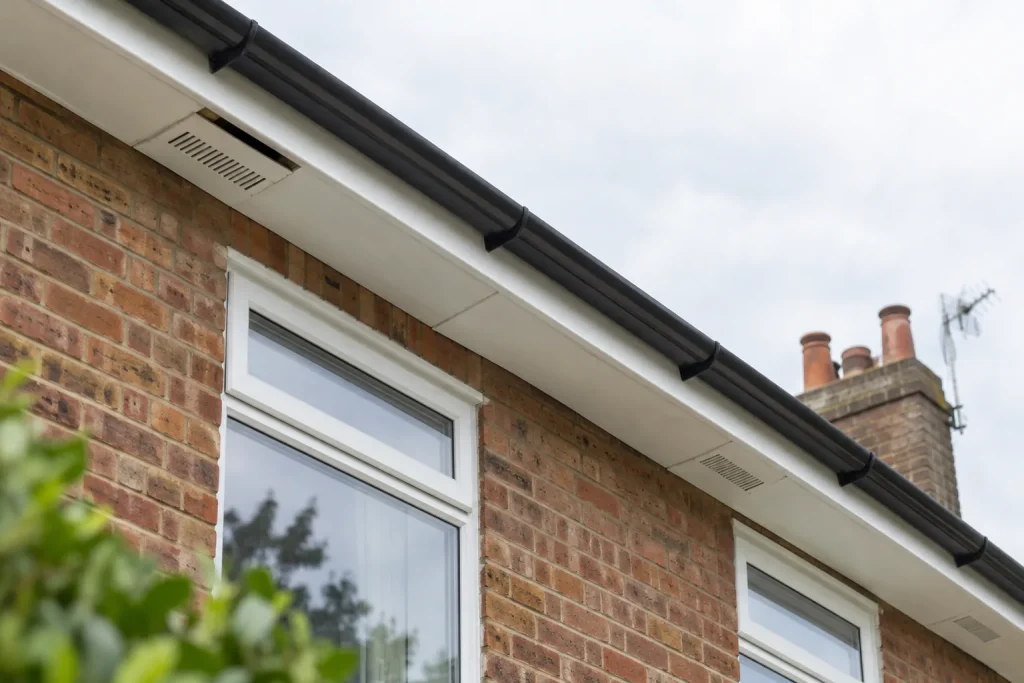
Start with the areas you can see without entering the loft. Look for a stain, a new opening around a service pipe, a displaced ceiling fitting or dust falling from a particular corner. Those signs do not prove animal activity, but they provide a location to investigate. Check the exterior from the ground for a damaged vent, loose soffit or repeated animal movement near one roof edge. Binoculars or a phone photograph may help; climbing onto the roof will not.
If you can access a loft hatch safely, you may be able to look in with a torch from the opening. Do not step off a secure walkway, disturb insulation, touch wiring or reach into a dark cavity. A loft can contain exposed joists, dust, old materials and electrical hazards. If the hatch is awkward or the area is not boarded, leave the inspection to someone equipped to work there.
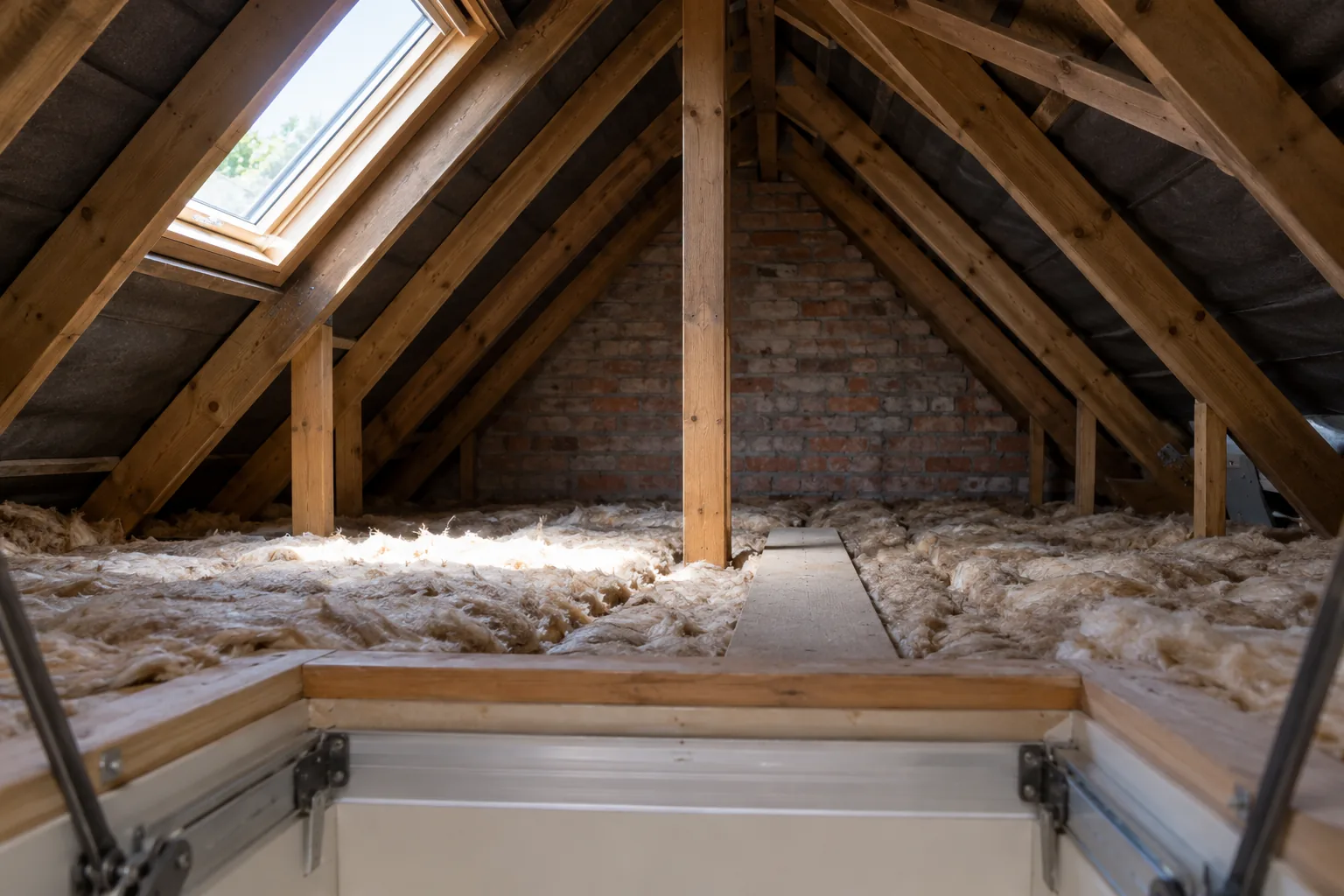
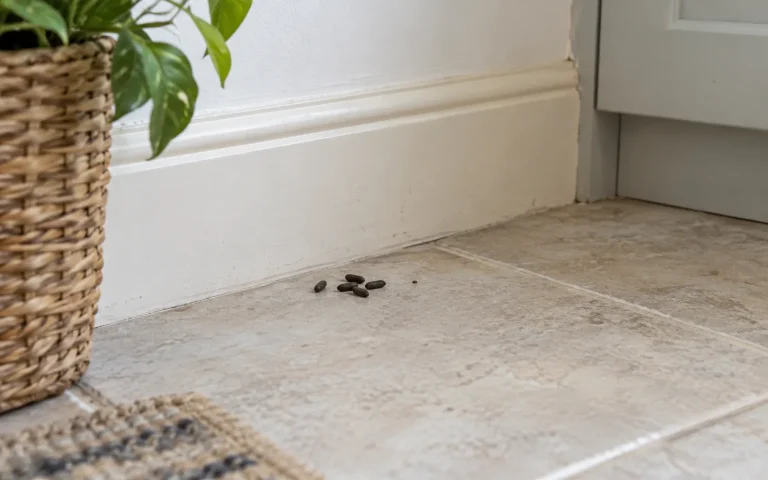
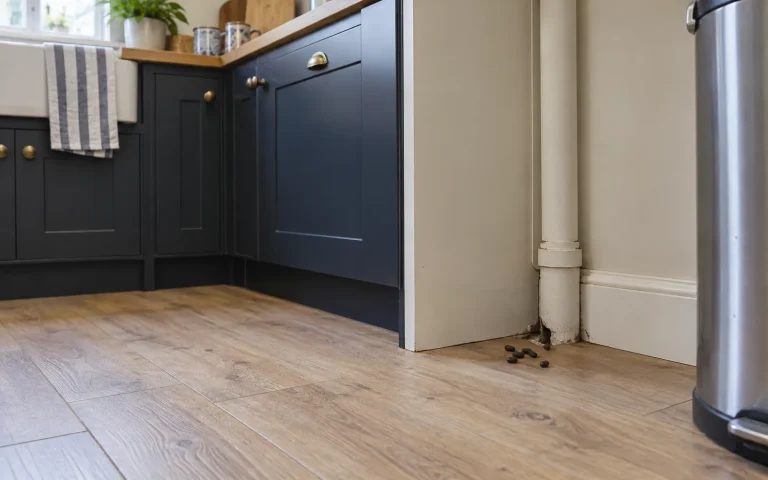
Look for broad clues rather than trying to handle anything: droppings on a safe visible surface, disturbed insulation, gnaw marks, nesting material or daylight through a possible opening. A clear photograph is useful. So is a note that you could not see evidence from the hatch. Absence of visible signs from one viewpoint does not prove the space is clear.
Different animals leave different patterns
Rats and mice may leave droppings, runs, gnawing or evidence around an entry route. A rat might travel through a drain-related route or a service space before reaching the loft; a mouse can use very small gaps. The rat service and mice service therefore focus on inspection and routes as well as activity reduction.
Squirrels may move more heavily and can disturb insulation or damage roof edges. A sighting of a squirrel repeatedly entering the same roof opening is stronger evidence than the weight of a sound. Birds may use an eave, vent or chimney area. Any nest needs careful identification before work starts because wildlife protections can affect what can be done. Do not block an opening while an animal may be inside.
Old evidence can mislead. A piece of chewed timber may have been there for years; a hole in a soffit may be unused. Fresh debris, a recent sighting or a repeated movement route makes the case stronger. Ask an inspector to distinguish historical damage from current activity.
What to avoid while you are unsure
Do not put poison or traps into an inaccessible loft merely because you hear movement. You may target the wrong animal, create a risk for children or pets, or end up with an animal in a place that cannot be reached. Products used for rodents also have conditions and restrictions. The Health and Safety Executive explains the need for responsible use in its rodenticide guidance.
Avoid sealing a roof gap immediately. If an animal is using it, closure can trap it or redirect it into living space. The right sequence is to identify the occupant, assess safe control or exclusion and then plan suitable proofing. A damaged roof also may require a roofer, not just pest work.
Do not move stored belongings from a suspicious loft into bedrooms or communal areas without considering contamination. If there are droppings or nesting materials, ask for cleaning advice appropriate to that setting. Dry sweeping in a dusty enclosed space is a poor first response.
When the problem needs prompt attention
Arrange an inspection if you have repeated noises plus fresh physical signs, a visible animal entering the roof, damaged wiring, or activity above a room used by a vulnerable person. A strong odour, ceiling damage or water ingress deserves a broader building assessment as well. If electrical damage is suspected, keep clear of the affected fitting and contact a qualified electrician.
For a shared roof or a managed block, tell the landlord or managing agent where the sound is heard and whether anyone has seen activity outside. Access to communal voids and external repairs may need their involvement. A professional can still assess your accessible space, but they should not promise to solve a route they cannot examine or repair.
When you contact the team, give the noise diary, any safe photographs, the type of property and whether the loft has a secure walkway. Mention previous pest work or openings that have been sealed. These details help the visit focus on identification rather than a guessed treatment.
The key is patience for evidence, not delay in the face of clear activity. A short record and a safe look can distinguish a likely pest route from an unrelated building sound. If the cause remains uncertain, an inspection can settle what needs action and what simply needs monitoring.